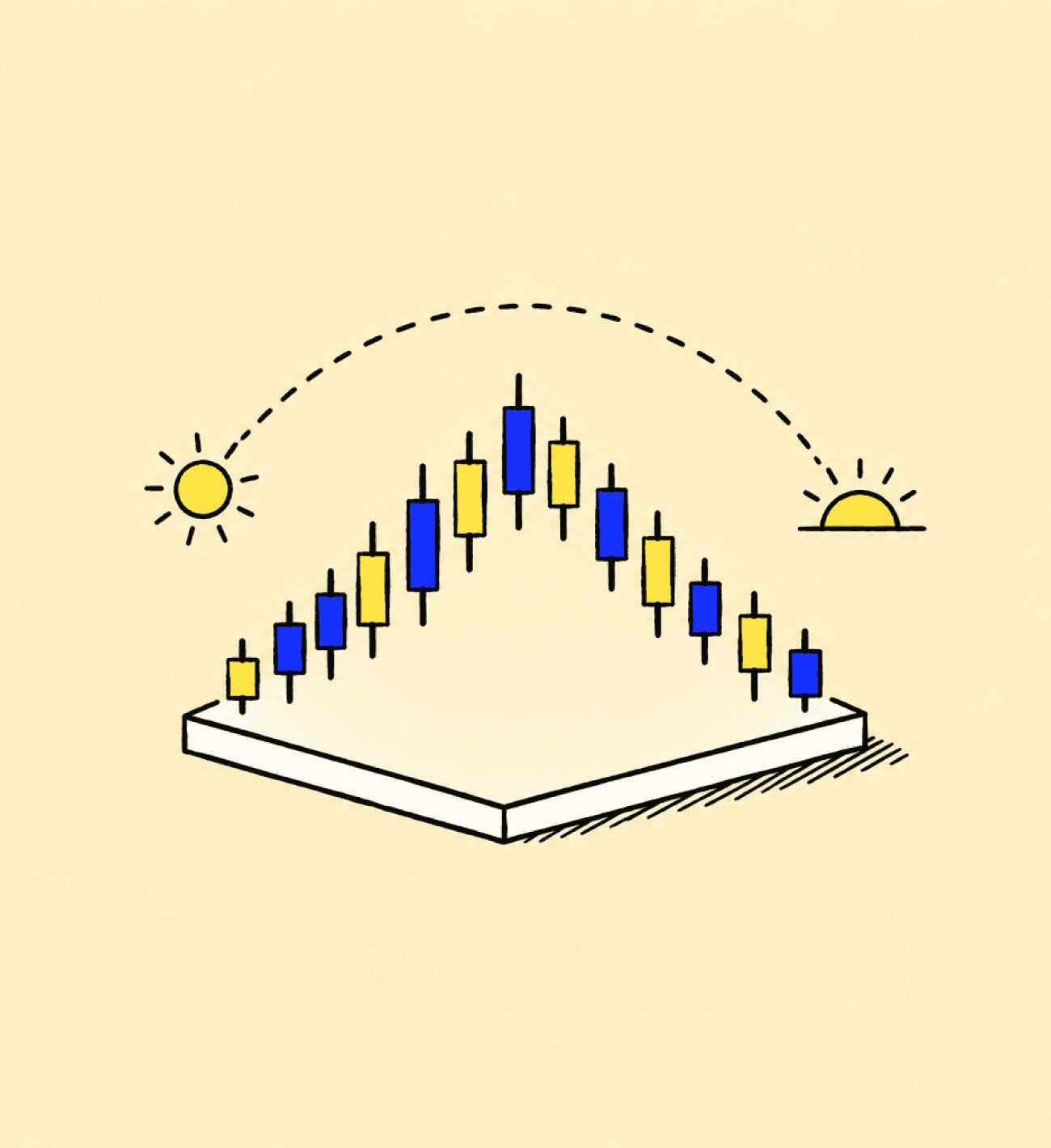
Definition
How intraday trading works
You buy and sell the same security on the same trading day. You can trade shares, futures or options this way. You take no delivery of shares. You receive or pay only the price difference.
How intraday trades are taxed
An intraday trade in shares is a speculative transaction under Section 66(31) of the Income-tax Act, 2025. It ends without delivery. None of the exceptions in Section 66(31) covers an ordinary intraday share trade. Its income is speculative business income. You can set off a speculative loss only against speculative profit. An intraday trade in futures or options is different. Section 66(33) makes it non-speculative.
What it means for you
Report intraday share trades separately from your F&O trades.
Example
Dev buys 200 shares at ₹500 and sells them at ₹510 on the same day. His profit is 200 × ₹10 = ₹2,000. He reports this as speculative business income. A loss of ₹2,000 would reduce only his other speculative profit.
Etymology
Origin
Timeline
2005
The Finance Act, 2005 takes securities derivatives, not intraday shares, out of speculation.
2026
The 2025 Act keeps intraday shares speculative in Section 66(31) from 1st Apr 2026.
Articles with this term


General information, not tax advice. Rules change, so check with a CA before you act.