TL;DR
What books of accounts are
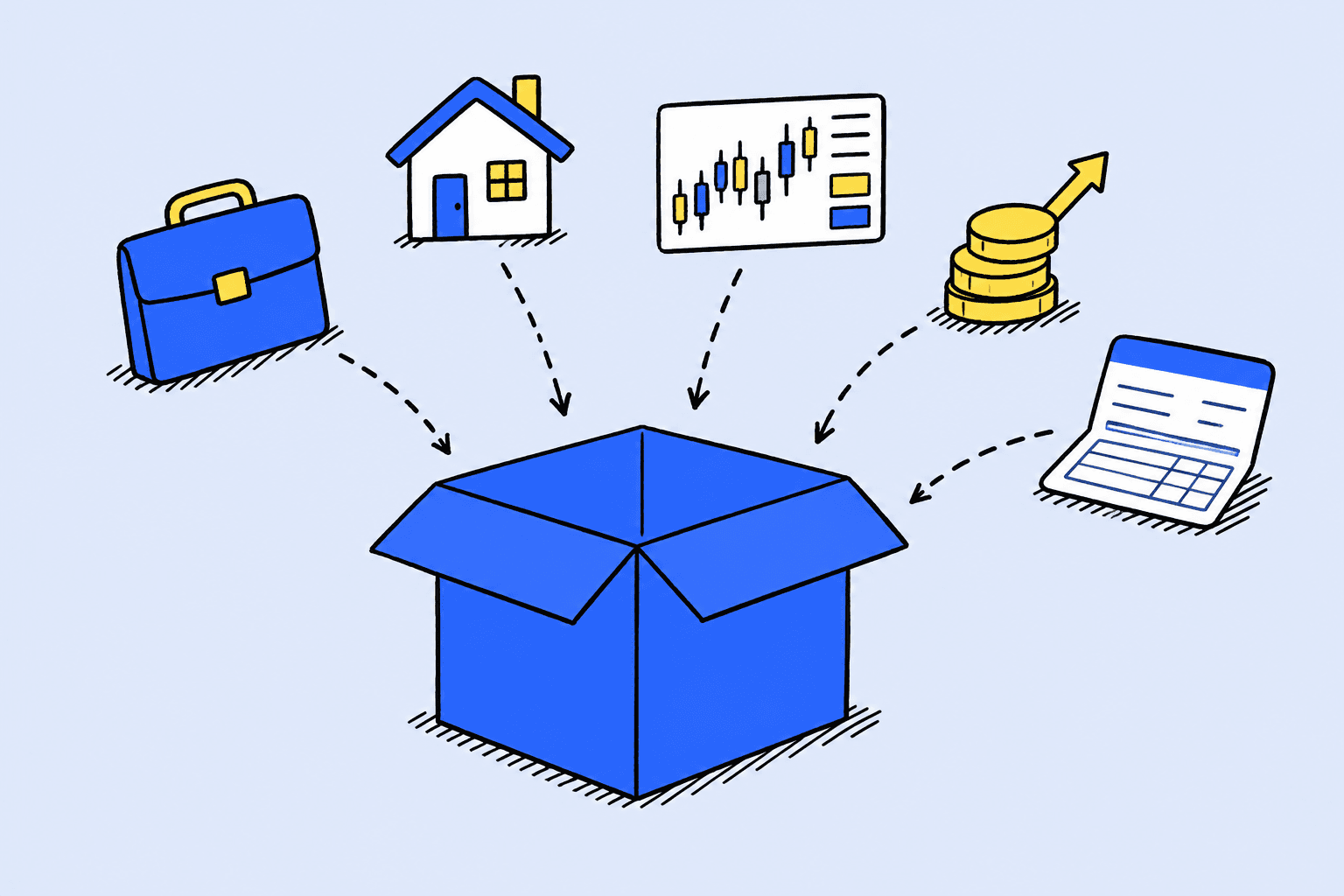
Books of accounts are your records of money in and money out. They must let a tax officer calculate your income. Section 62 of the Income-tax Act, 2025 (Section 44AA of the 1961 Act) says who must keep them.
For an F&O trader, books show your trades, your charges and your other costs. A tax audit also starts from your books, if an audit applies to you.
When you must keep books
You must keep books if you trade F&O as a business and meet any of these conditions:
Past years: Your income from business or your turnover is more than the limit in any of the 3 years before the tax year.
New business: You start the business in the tax year, and your income or turnover is likely to cross the limit that year.
Presumptive opt-out: You claim less income than the presumptive scheme sets.
The limit depends on who you are. Either test is enough:
Who you are | Income from business | Turnover |
|---|---|---|
Individual or Hindu undivided family (HUF) | More than ₹2,50,000 | More than ₹25 lakh |
Firm or other person | More than ₹1,20,000 | More than ₹10 lakh |
Below these limits, the law does not ask for books. Keep your contract notes and bank statements anyway, because you need them to report your income.
Example
Sana and Vikram check the limits
Both are individuals who trade F&O as a business. Each tests the 3 years before the tax year.
Sana: turnover of ₹18 lakh and income of ₹90,000 in each year
Limits for an individual: ₹25 lakh and ₹2,50,000
Sana: both figures are below the limits, so Section 62 does not ask for books
Vikram: turnover of ₹40 lakh in one year, which is more than ₹25 lakh
Vikram: he must keep books
Vikram needs books even if he made a loss that year. The turnover limit alone is enough.
Calculate your turnover first, because the limit uses it.
Which books and records to keep
The Act asks for books that let the tax officer calculate your total income. Rule 46 of the Income-tax Rules, 2026 gives a fixed list of books only for specified professions, such as doctors and lawyers. It gives no fixed list for a trader.
So keep a record of every trade and every cost. Most F&O traders keep these:
Contract notes from every broker
The broker’s ledger and tax profit and loss (P&L) report
Bank statements for the account that you use for trading
A ledger of your profits, losses, charges and other costs
Bills for your business costs, such as software and internet
Proof of Securities Transaction Tax (STT) and other charges, which the contract note shows
Statements of the funds that you move between your bank and your broker
Keep electronic books so that you can open them in India at any time. Make a backup every day on a server in India.
Watch out
How long to keep your books
Keep your books and documents for 7 tax years. Count from the end of the tax year that they relate to.
Example
Ananya's records for Tax Year 2026-27
Tax Year 2026-27 ends on 31st Mar 2027
Add 7 tax years to that date
Keep the records until 31st Mar 2034
If a tax officer reopens an assessment, Ananya keeps the records until the officer completes it.
Books and the tax audit
If your turnover is more than the audit limit, a chartered accountant (CA) audits your books. Section 63 of the 2025 Act (Section 44AB of the 1961 Act) sets that limit. The CA cannot audit books that you do not keep.
Check your audit limit and the due dates before the tax year ends.
Key takeaways
Keep books if your income is above ₹2,50,000 or your turnover is above ₹25 lakh in any of the last 3 tax years.
The rules give no fixed list of books for a trader, so keep records that let a tax officer calculate your income.
Keep your books for 7 tax years after the end of the tax year that they relate to.
General information, not tax advice. Rules change, so check with a CA before you act.